
Grey Water vs. Black Water vs. Pulverized Coal: Choosing an Isolation Valve
In coal chemical service, grey water, black water and pulverized coal circuits are among the most demanding isolation applications in the plant. Each medium behaves differently in terms of abrasiveness, solids form and scaling tendency, which means a valve that performs well in one loop can fail prematurely in another. This guide frames three verified product designs side by side — the Grey Water Eccentric Rotary Valve, the Black Water Angle Valve, and the Pulverized Coal Conveying Valve — and walks plant specifiers and maintenance engineers through a shared decision checklist to use before specifying an industrial control valve for isolation duty.
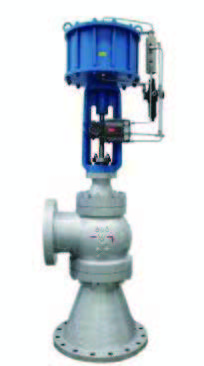
Problem Definition: Why a Single Valve Type Does Not Cover All Three Media
A single gasification train can contain three distinct solids-bearing circuits, and each one stresses a valve differently. Black water is drained from the gasifier wash section, carrying coarse abrasive solids together with dissolved corrosive species. Grey water returns from flash and clarifier systems and carries finer particles that tend to settle inside valve cavities. Pulverized coal moves through the feed lines as a gas–solid mixture, where flow accuracy directly affects burner stability and the air-to-coal ratio.
The consequence is a common failure pattern. A valve selected for one circuit is installed in another, and the mismatch shows up as premature seat wear, cavity fouling, stem-seal leakage, rising operating torque, or a combination of all four. The root cause is rarely a manufacturing defect. It is a geometry and trim mismatch between the valve and the medium it has to isolate.
Industry Background: What Coal Chemical Isolation Duty Actually Requires
In a partial-oxidation gasification plant, raw syngas leaves the gasifier and passes through washing, flash and grey-water handling sections before downstream processing. Each of those sections relies on valves that can hold tight shutoff against a solids-bearing stream, tolerate high differential pressure, and survive repeated cycling without losing sealing integrity.
The industry approach has shifted from a single general-purpose ball valve or gate valve across all circuits toward specialised isolation designs. Three product categories are now standard for this duty:
- Grey Water Eccentric Rotary Valve (VFRM) — for grey water loops with fine abrasive particles.
- Black Water Angle Valve (ACV) — for black water loops with coarse abrasive and corrosive media.
- Pulverized Coal Conveying Valve (ACC) — for gas–solid pulverised coal feed lines.
For cross-medium isolation points, many plants also use the Pulverized Coal, Black Water and Grey Water Isolation Valve (G1620 / G1630), which is engineered to serve all three media in a single isolation body.
Detailed Solution: Three Isolation Valves Compared
1. Grey Water Eccentric Rotary Valve — Model VFRM
The Grey Water Eccentric Rotary Valve VFRM is built for grey water circuits. Its defining design feature is a multi-process hardened construction that raises anti-clogging and erosion resistance, which matters because grey water contains fine particles that can settle in the body cavity and erode the sealing surfaces over long operating periods.
- Nominal size: DN50 ~ DN200 (2" ~ 8")
- Pressure rating: Class150 ~ Class900
- Applicable industry: Coal Chemical Service
2. Black Water Angle Valve — Model ACV
The Black Water Angle Valve ACV is designed for the harsher of the two water loops. Black water carries heavier abrasive solids and corrosive species, so the valve uses a carbide plug and seat to resist material loss at the sealing interface. An optimised body cavity reduces the pockets where solids can pack, and a streamlined throttling disc minimises asymmetric flow impingement — a known source of localised erosion in angle-body valves.
- Nominal size: DN40 ~ DN300 (1 1/2" ~ 12")
- Pressure rating: Class150 ~ Class1500
- Applicable industry: Coal Chemical Service
3. Pulverized Coal Conveying Valve — Model ACC
The Pulverized Coal Conveying Valve ACC is intended for gas–solid feed lines rather than for water loops. Its bellows stem seal keeps pulverised coal out of the stem area, and its cup-shaped plug gives precise flow regulation so that the air-to-coal ratio can be controlled without the valve clogging. That combination makes it a regulation-capable design rather than a purely on–off isolation body.
- Nominal size: DN65 ~ DN80 (2 1/2" ~ 3")
- Pressure rating: Class600 ~ Class2500
- Applicable industry: Coal Chemical Service
Cross-Medium Option: Pulverized Coal, Black Water and Grey Water Isolation Valve — Models G1620 / G1630
Where a plant needs a single isolation valve to serve multiple media, the Pulverized Coal, Black Water and Grey Water Isolation Valve G1620 / G1630 addresses that requirement. Its sealing system uses a supersonic-sprayed ball and a plasma-overlay-welded seat. A sealed guide bushing prevents media ingress and bushing seizure during long-term operation, and a scraper-type sealing seat paired with an ultra-hard optimised sealing pair helps maintain shutoff as the valve cycles.
- Nominal size: DN150 ~ DN450 (6" ~ 18")
- Pressure rating: Class600 ~ Class900
- Applicable industry: Coal Chemical Service
Related Liquid-Side Isolation: Long-Distance Pipeline Valve — Models ATM / ATL
Not every isolation duty in a coal chemical complex is a solids-handling problem. In long-run liquid lines where a high pressure drop must be absorbed at the same time as isolation is provided, the Long-Distance Pipeline Valve ATM / ATL — a high-differential-pressure refined oil pressure-reducing valve — is the relevant reference unit. It is rated to a maximum of Class2500 and is supplied in DN50 ~ DN150 (2" ~ 6") sizes. It is not intended for pulverised coal or black water service; it is listed here so that specifiers understand where the boundary of the solids-handling families ends.
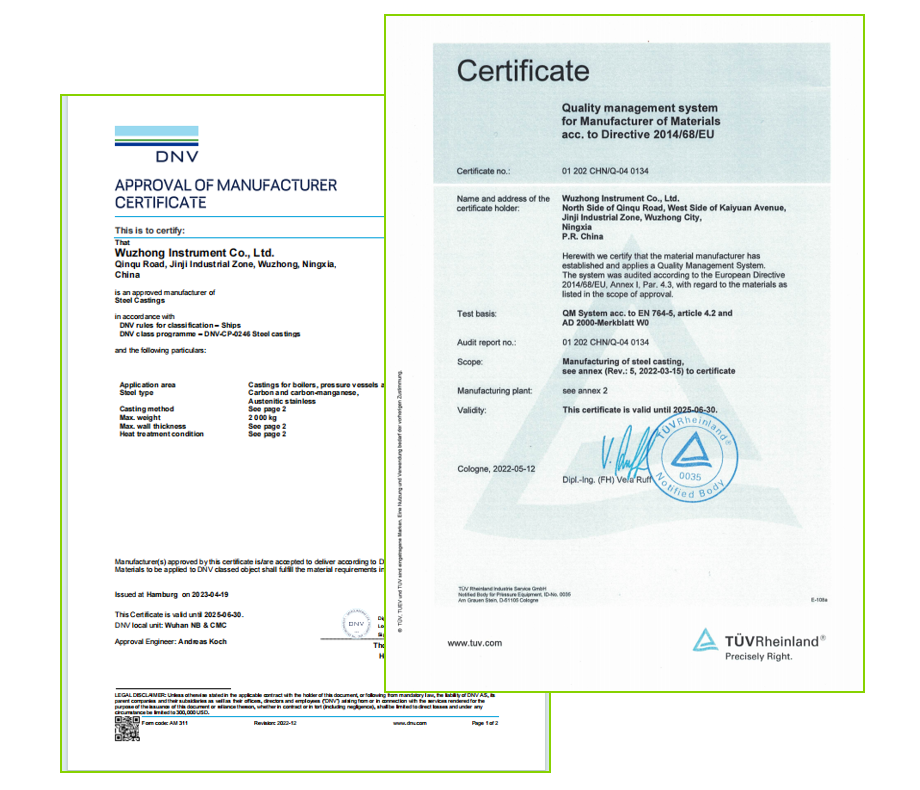
Step-by-Step Breakdown: The Buyer's Decision Checklist
The checklist below is written for plant specifiers and maintenance engineers who are preparing a requisition or evaluating a replacement. It is meant to be applied in order before any single valve model is selected.
Step 1 — Confirm the Nature of the Medium
Identify first whether the circuit carries grey water, black water or pulverised coal. The three media are not interchangeable, and the correct valve family is derived from the medium rather than from a generic description such as "slurry valve". Grey water and black water differ mainly in solids size and corrosivity, while pulverised coal is a gas–solid stream where regulation accuracy matters as much as shutoff.
Step 2 — Evaluate Abrasion and Solids Handling
Once the medium is known, examine what the valve has to do about solids. Look for evidence of hardened trim, engineered sealing materials, cavity design that reduces packing, and configurations that keep solids away from guides and stems. Reviewing these features before evaluating price keeps the comparison on a technical footing.
Step 3 — Separate Isolation Intent from Regulation Intent
Isolation and regulation are different duties. If the valve must hold a tight seal in the closed position, shutoff and seat durability drive the decision. If the valve must modulate flow — for example to control the air-to-coal ratio in a pulverised coal feed line — then flow characteristic, rangeability and anti-clogging design move to the front of the specification. The Pulverized Coal Conveying Valve ACC is an example of a design intended for the regulation case, whereas the Grey Water Eccentric Rotary Valve VFRM and the Black Water Angle Valve ACV sit closer to the isolation side of the spectrum.
Step 4 — Confirm the Operating-Condition Parameters Before Purchase
Before a purchase order is issued, the following parameters should be confirmed and documented with the supplier:
- Nominal size and its conversion to inch equivalents used on the drawing.
- Pressure rating (Class150 through Class2500 depending on the model family).
- Design and operating temperature range at the valve location.
- Medium type, solids content and particle size where known.
- Required flow coefficient and acceptable pressure drop.
- Actuator type and control accessories (pneumatic or electric actuation, positioner, solenoid, limit switch, booster).
- Special operating conditions such as high differential pressure, high temperature, or rapid cycling.
Customisation is available on material, size, pressure rating, temperature range, connection type, actuator, control accessories, and special operating conditions, so buyers can align a standard body family with project-specific requirements.
Step 5 — Check Materials and Sealing Surfaces
Hardening technology is the difference between a valve that lasts and a valve that has to be re-trimmed within a short campaign. Review how the sealing pair is produced: supersonic spraying, plasma-overlay welding, carbide plug and seat construction, and multi-process hardening are all documented in the product families above. Confirm the grade and finish match the abrasiveness of the specific medium.
Step 6 — Define Documentation and Test Requirements in the RFQ
Spell out the inspection, quality-control and acceptance requirements directly in the RFQ. A typical baseline includes self-inspection, sampling inspection, patrol inspection, and 100% inspection at critical quality points, with a minimum order quantity of 1 unit where project quantities permit a trial or replacement purchase.
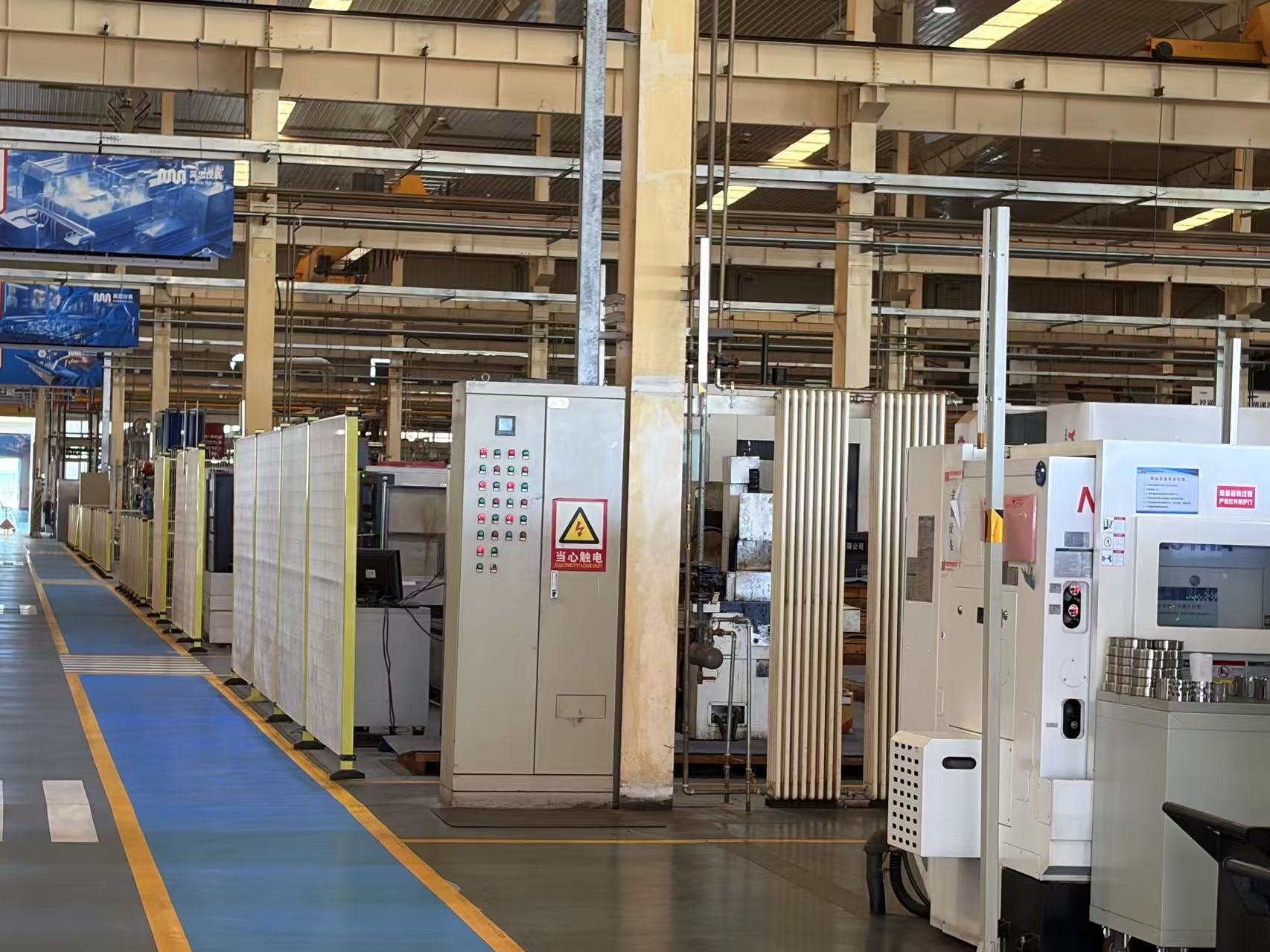
Use Cases: How These Valves Are Applied in Practice
Three verified project scenarios illustrate how the choice of valve family follows the medium.
Coal Chemical Plants — Black Water Angle Valve ACV
In coal chemical plants, the Black Water Angle Valve ACV has been applied for control and isolation of abrasive and corrosive media. In one documented scope, 160 units of this valve family were deployed, and the project achieved stable operation over a 9-year period. The case highlights the intended duty profile: safe, leak-tight, corrosion-resistant and reliable performance under severe high-temperature and high-pressure solids service, with wear and erosion resistance, anti-clogging behaviour and tight shutoff.
Power Stations and Power Units — A Series Control Valve
One case covers power stations and power units, with a project scale of 37 control valves. The A Series Control Valve controlled, regulated, isolated and protected steam, water, fuel and flue gas flows, and the project delivered stable operation over a 4-year period. The required duty profile included high-temperature and high-pressure capability, fast and tight operation, and resistance to thermal shock and erosion.
Grey Water and Pulverised Coal Circuits
For grey water circuits, the Grey Water Eccentric Rotary Valve VFRM supports the duty through multi-process hardened construction and anti-clogging design. In pulverised coal feed lines, the Pulverized Coal Conveying Valve ACC is used where continuous flow regulation of the air–coal mixture is required without clogging.
Comparison Table
| Parameter | Grey Water Eccentric Rotary Valve (VFRM) | Black Water Angle Valve (ACV) | Pulverized Coal Conveying Valve (ACC) | Pulverized Coal, Black Water and Grey Water Isolation Valve (G1620 / G1630) |
|---|---|---|---|---|
| Nominal size | DN50 ~ DN200 (2" ~ 8") | DN40 ~ DN300 (1 1/2" ~ 12") | DN65 ~ DN80 (2 1/2" ~ 3") | DN150 ~ DN450 (6" ~ 18") |
| Pressure rating | Class150 ~ Class900 | Class150 ~ Class1500 | Class600 ~ Class2500 | Class600 ~ Class900 |
| Target medium | Grey water | Black water | Pulverized coal | Pulverized coal, black water, grey water |
| Key construction / features | Multi-process hardened construction for enhanced anti-clogging and erosion resistance | Carbide plug and seat; optimised body cavity; streamlined throttling disc to minimise asymmetric flow impingement | Bellows stem sealing; cup-shaped plug for precise flow regulation; controls air-to-coal ratio without clogging | Supersonic-sprayed ball; plasma-overlay-welded seat; sealed guide bushing; scraper-type sealing seat with ultra-hard optimised sealing pair |
| Applicable industry | Coal Chemical Service | Coal Chemical Service | Coal Chemical Service | Coal Chemical Service |
FAQ
Which isolation valve design is preferred for pulverised coal, black water and grey water duty?
There is no single preferred design across all three media. For grey water, the Grey Water Eccentric Rotary Valve VFRM is the matched family, using a multi-process hardened construction for anti-clogging and erosion resistance in DN50 ~ DN200 and Class150 ~ Class900. For black water, the Black Water Angle Valve ACV pairs a carbide plug and seat with an optimised body cavity and streamlined throttling disc, available in DN40 ~ DN300 and Class150 ~ Class1500. For pulverised coal feed lines, the Pulverized Coal Conveying Valve ACC uses bellows stem sealing and a cup-shaped plug in DN65 ~ DN80 and Class600 ~ Class2500. Where one body has to serve all three media, the Pulverized Coal, Black Water and Grey Water Isolation Valve G1620 / G1630 is the applicable design.
How does the Grey Water Eccentric Rotary Valve differ from the Black Water Angle Valve in day-to-day use?
Both are coal chemical service isolation families, but they are aimed at different loops. The VFRM is built for grey water, where particles are finer and the dominant risk is gradual cavity build-up and erosion, so its design emphasis is a multi-process hardened construction that improves anti-clogging and erosion resistance. The ACV is built for black water, which contains coarser abrasive solids and corrosive species, so the design emphasis shifts to carbide plug and seat construction, an optimised body cavity, and a streamlined throttling disc that reduces asymmetric flow impingement. The size and pressure envelopes also differ: DN50 ~ DN200 / Class150 ~ Class900 for the VFRM versus DN40 ~ DN300 / Class150 ~ Class1500 for the ACV.
What operating-condition parameters must be confirmed before ordering a coal chemical isolation valve?
Before purchase, the buyer should confirm nominal size, pressure rating, design and operating temperature, medium type and solids content, flow coefficient and acceptable pressure drop, actuator type, and any control accessories such as positioner, solenoid, limit switch or booster. Customisation is available on material, size, pressure rating, temperature range, connection type, actuator, control accessories, and special operating conditions, so the confirmed parameter set becomes the input to the final specification rather than an assumption.
How does the Pulverized Coal Conveying Valve keep pulverised coal flowing without clogging?
The Pulverized Coal Conveying Valve ACC uses bellows stem sealing and a cup-shaped plug for precise flow regulation. The bellows stem seal keeps pulverised coal out of the stem area, and the cup-shaped plug supports accurate control of the air-to-coal ratio without clogging — the specific outcome the design is intended to deliver in DN65 ~ DN80, Class600 ~ Class2500 service.
What quality-control and acceptance requirements should appear in the RFQ?
A practical baseline is self-inspection, sampling inspection, patrol inspection, and 100% inspection at critical quality points, with a minimum order quantity of 1 unit so that a single replacement or trial valve can be procured without a bulk commitment. Writing these requirements into the RFQ keeps the acceptance criteria visible before the order is placed. For technical documentation and product catalog reference, the published brochure is available at this download link.
Conclusion
Isolation valve selection in coal chemical service is a medium-first decision, not a brand-first decision. Grey water, black water and pulverised coal each impose a different mix of abrasion, corrosion, solids handling and regulation demand, and the three product families reviewed here — the Grey Water Eccentric Rotary Valve VFRM, the Black Water Angle Valve ACV, and the Pulverized Coal Conveying Valve ACC — map onto those demands in different ways. Where a single body must serve all three, the Pulverized Coal, Black Water and Grey Water Isolation Valve G1620 / G1630 provides a cross-medium option, while the Long-Distance Pipeline Valve ATM / ATL defines the boundary of the solids-handling families for high-differential-pressure liquid isolation.
Applying the six-step checklist — confirm the medium, evaluate abrasion and solids handling, separate isolation from regulation intent, confirm the operating-condition parameters, check materials and sealing surfaces, and define documentation and inspection in the RFQ — keeps the technical decision ahead of the commercial one. Buyers who follow the sequence are better positioned to specify a valve that holds shutoff, resists wear and returns stable operation over the long run.
Have Questions or Need More Details?
Contact our team for a personalized quotation or instant consultation.
Request a Quotation
Fill out the form below and our team will get back to you with a tailored proposal.
WhatsApp Direct Chat
Prefer to chat in real-time? Message us on WhatsApp for instant assistance & quick answers.
- Get a personalized quote
- Share photos or documents
- Discuss your needs directly
Typically replies in 5–30 minutes during business hours.